Get Your Quote for Furnace Inspection
Fill the form below to inquire about Winnipeg Service Pros's Furnace Inspection in Winnipeg.
Fill the form below to inquire about Winnipeg Service Pros's Furnace Inspection in Winnipeg.
A furnace that has not been inspected in over a year is already carrying risks most homeowners cannot see. Furnace Inspection Winnipeg from Winnipeg Service Pros finds those problems before they become a heating failure or a safety concern.
Gas furnaces work quietly in the background, which makes it easy to assume they are fine as long as the heat comes on. The reality is that parts wear, sensors drift, heat exchangers develop stress cracks, and flue passages accumulate buildup, all without producing an obvious symptom until something stops working or a safety issue surfaces. Winnipeg Service Pros provides annual Furnace Inspection Winnipeg for homeowners who want a clear picture of their heating system's condition before the heating season begins. Our technicians check every component that matters and explain exactly what they find.
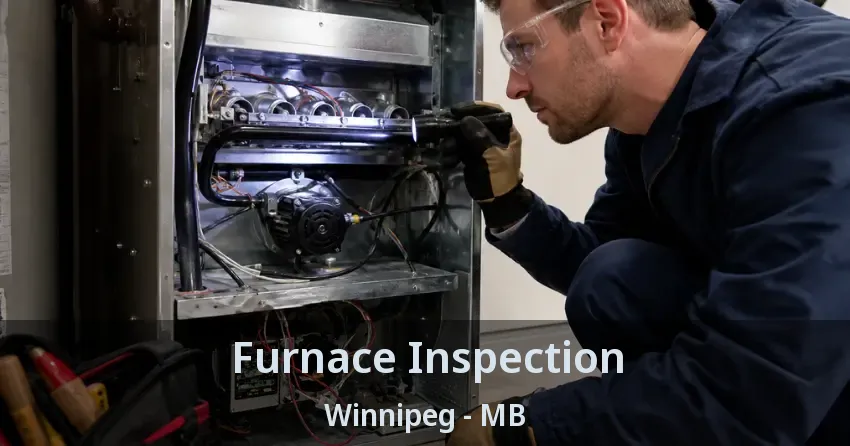
A furnace inspection is fundamentally a safety check before it is a performance check. The heat exchanger, gas connections, flue venting, and combustion analysis are the parts of Furnace Inspection Winnipeg that protect your household from carbon monoxide, gas leaks, and improper combustion rather than simply ensuring efficient operation. These checks matter most in older furnaces and in systems that have not been professionally inspected in several years.
Our technicians pay particular attention to the heat exchanger during every Furnace Inspection Winnipeg visit. A cracked heat exchanger is the most serious furnace fault because it allows combustion gases to enter the air circulating through the home's ductwork. For Winnipeg homeowners, that risk is invisible without a professional inspection since a cracked heat exchanger rarely produces an obvious sign until it has been allowing gas into the living space for some time.
Furnace Inspection from Winnipeg Service Pros starts from $99 to $299 depending on the furnace type, system age, and whether additional components such as humidifiers or electronic air cleaners are part of the system. Contact us before scheduling to confirm the exact cost for your furnace before the visit is booked.
A furnace should be inspected by a licensed technician at least once per year. The best time to schedule is in the fall before heating season begins, which allows any issues to be identified and corrected before the system is running daily. Homeowners who have not had an inspection in over 12 months should schedule one as soon as possible rather than waiting until next fall.
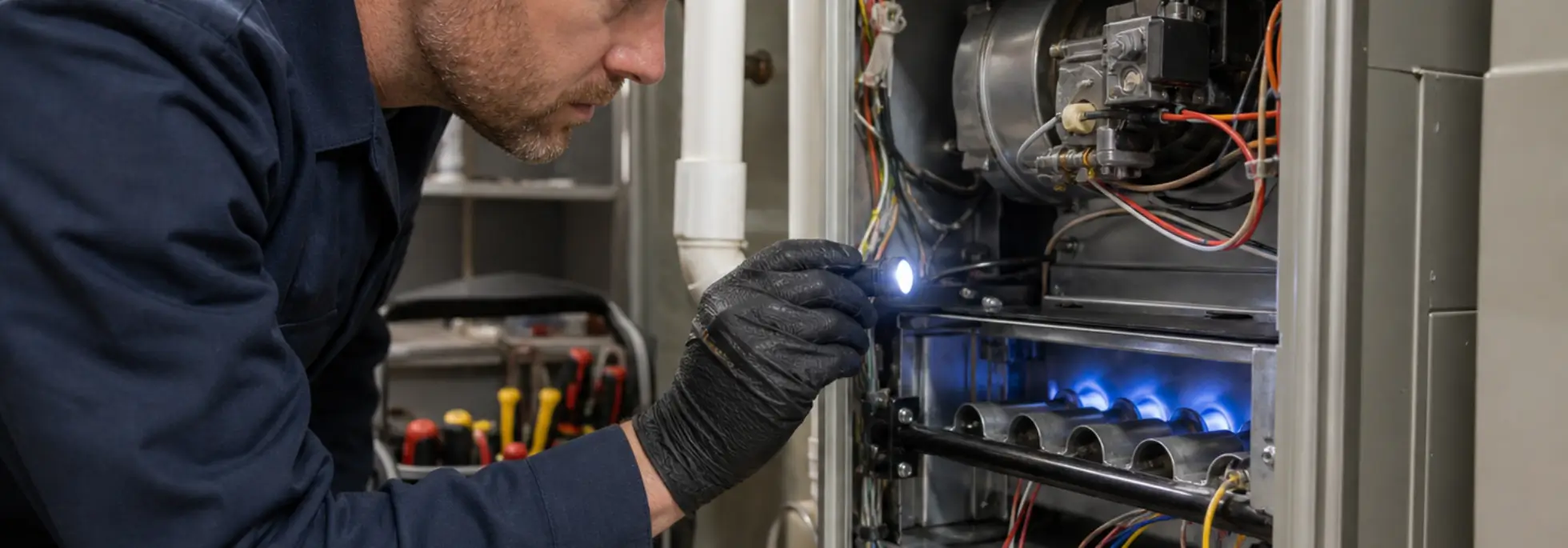
A complete furnace inspection covers the heat exchanger, burner flame pattern, ignitor, flame sensor, gas valve and supply pressure, flue venting, blower motor, airflow, filter condition, thermostat calibration, limit and pressure switches, control board fault codes, and a carbon monoxide screening. Every item on that list affects either the safety or the reliable operation of the system.
Yes. A furnace inspection includes a carbon monoxide screening at the furnace cabinet, flue connections, and supply registers to check for CO presence. A cracked heat exchanger, blocked flue, or dirty burner can all produce carbon monoxide at levels that may not trigger a detector alarm but can cause chronic low-level exposure. Annual inspection is the most reliable way to confirm the furnace is burning cleanly.
A standard Furnace Inspection from Winnipeg Service Pros includes a review of burner and sensor condition, and minor cleaning is performed where it is part of the standard check. If the system requires a more thorough cleaning, the technician will discuss that as a separate service during the visit. Filters are assessed during the inspection, and replacement is recommended if the current filter is restricting airflow.
Annual inspections catch the majority of components that are showing wear before they fail entirely. A weakening ignitor, a dirty flame sensor, a flue connection that has shifted, and a filter that is near restriction all show up during a proper inspection. Homeowners who have annual inspections completed tend to have significantly fewer emergency repair calls over the life of the furnace.
A thorough Furnace Inspection typically takes between 60 and 90 minutes for a standard gas furnace. Furnaces with additional components such as humidifiers, electronic air cleaners, or zoning systems take longer to inspect completely. The technician will walk through the findings with you before leaving so you have a clear picture of the system's current condition.
A thorough furnace inspection covers every system component that affects safety, reliability, and efficiency. Furnace Inspection Winnipeg from Winnipeg Service Pros includes a structured review of the following:
Every item on that list addresses a specific failure point that has caused homeowners real problems. The limit switch trips when the furnace overheats, which is a sign of restricted airflow that should be corrected before it cracks the heat exchanger. The ignitor test catches a component that is starting to fail before it fails completely on a cold morning. The flue inspection around Winnipeg is especially important in older properties where vent pipes can shift, separate, or accumulate debris that creates back-drafting conditions.
The difference between a furnace inspection and a furnace repair call is the timing. An inspection finds a weak ignitor, a degraded flame sensor, a loose flue connection, or a filter that has restricted airflow to a dangerous level before any of those issues stop the system from heating. The cost of addressing each one during a routine visit is significantly lower than a same-day emergency repair call after the system has already failed on a cold day across Winnipeg.
Winnipeg Service Pros sees this consistently. Homeowners who invest in annual Furnace Inspection Winnipeg service tend to have far fewer emergency repair calls over the life of the system. A furnace that is inspected and tuned once a year also runs more efficiently, which means lower gas bills through the heating season without any other changes to how the home is operated.
Fall is the best time to schedule a Furnace Inspection Winnipeg because it gives a technician the chance to find and correct problems before the heating season puts full demand on the system. Booking in September or October means the furnace is confirmed ready before the first cold stretch of the year rather than discovering a problem when the temperature has already dropped. Any Winnipeg homeowner who missed the fall window should still book an inspection rather than waiting until next year, since mid-season problems are just as important to catch early.
The only wrong time to schedule a furnace inspection is after a failure has already occurred and the system is already non-functional. At that point, the visit becomes a repair call rather than a preventive check. For homeowners in Winnipeg who have not had their furnace inspected in the past 12 months, scheduling before peak heating demand is the practical choice.
Furnaces on a platform have specific component tolerances, control board sequences, and venting requirements that a technician needs to understand to inspect them correctly. Winnipeg Service Pros can inspect, service, and assess these systems during Furnace Inspection Winnipeg, checking the ignition system, heat exchanger, gas valve, and control board in the context of how that particular model is designed to operate. Getting the inspection done right means the findings are accurate, not generic.
If components show wear or calibration drift during the inspection, our technicians explain what was found, what it means for the furnace's reliability, and what addressing it involves. For Winnipeg homeowners with a system, getting an annual inspection from technicians familiar with that equipment is far more useful than a generic check that misses brand-specific failure patterns.
High-efficiency furnaces use PVC venting rather than traditional metal flue pipe, which creates a different set of inspection points around Winnipeg. Condensate drain blockages, cracked PVC joints, and improper slope on the vent runs can all affect how the furnace operates and can cause fault codes that look like component failures. We inspect the full venting path on these condensing furnaces as part of Furnace Inspection Winnipeg to make sure the exhaust and condensate systems are functioning correctly.
Carbon monoxide is produced whenever gas combustion is incomplete, and a furnace with a cracked heat exchanger, blocked flue, or dirty burner can produce it in quantities that become dangerous inside a home. CO is odorless and colorless, which means a family can be exposed to elevated levels without being aware of the source. Furnace Inspection Winnipeg includes a carbon monoxide screening that checks for CO presence around the furnace cabinet, the flue connections, and at the supply registers where furnace air enters the home.
A CO detector provides some protection, but it only alarms when concentrations reach a threshold level. Lower-level chronic exposure can cause symptoms like headaches and fatigue that homeowners often attribute to illness rather than the heating system. An annual inspection that includes combustion testing and CO screening is the most reliable way for Winnipeg homeowners to confirm their furnace is burning cleanly and safely through the season.
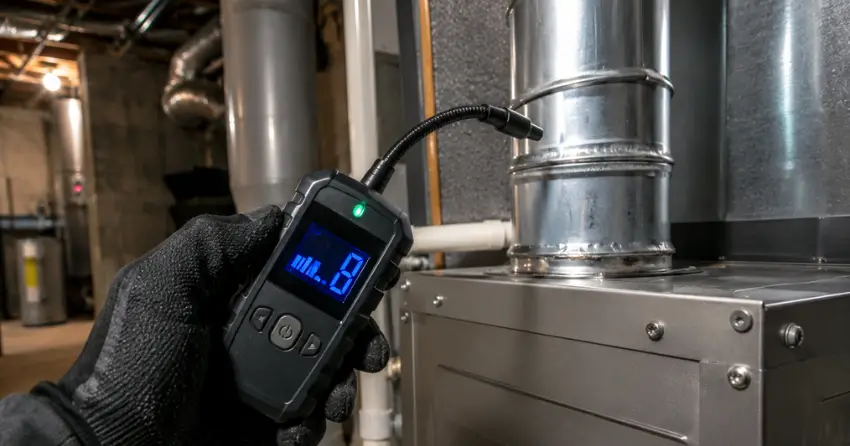
Furnace Inspection Winnipeg from Winnipeg Service Pros starts from $99 to $299 depending on the furnace type, system age, and the scope of the inspection. Gas furnaces with additional components such as humidifiers, electronic air cleaners, or zoning controls take longer to inspect completely, which affects the time and cost. Call (431) 441-6595 or contact us with Winnipeg Service Pros to confirm pricing for your specific furnace before scheduling the visit.
The inspection cost is a predictable, planned expense. For Winnipeg homeowners, it is significantly less than a single emergency repair call, and it frequently prevents the kind of mid-season failure that requires urgent same-day service at premium pricing. Scheduling annually also keeps the furnace in a condition where small issues are caught before they develop into component failures.
A gas furnace that is serviced and inspected annually can run reliably for 15 to 20 years. One that receives no professional attention tends to accumulate small faults that compound over time: a dirty burner leads to incomplete combustion that stresses the heat exchanger, restricted airflow causes the limit switch to cycle repeatedly which causes premature heat exchanger fatigue, and a failing ignitor eventually causes a lockout that goes undiagnosed until heating stops entirely.
Furnace Inspection Winnipeg interrupts that cycle by resetting the system's condition once a year. Dirty components are cleaned, worn parts are flagged before they fail, and the technician confirms that the safety systems are functioning as designed. For Winnipeg homeowners who want a furnace that lasts its full service life rather than needing early replacement, annual professional inspection is the most cost-effective step available.
The inspection starts with a conversation about how the furnace has behaved during the past season. Any unusual sounds, short cycling, thermostat issues, or airflow inconsistencies the homeowner has noticed give the technician useful context before the physical inspection begins. We then run the furnace through its full startup sequence while observing the ignition, flame pattern, blower activation, and control board response.
Furnace Inspection Winnipeg is completed by licensed and insured technicians with more than 15 years of experience on residential gas systems. The inspection report covers everything checked, what was found, and any recommendations for repairs or adjustments. There is no pressure to proceed with anything on the spot. For homeowners in Winnipeg who want a clear and honest picture of their heating system before winter, the inspection gives exactly that. You can book by calling (431) 441-6595 or simply contact us to arrange a convenient time.
Winnipeg Service Pros provides Furnace Inspection Winnipeg as a standalone annual service, not as a formality attached to another visit. Our technicians take the time to inspect each component properly, test the system under real operating conditions, and explain their findings in plain language. The goal is for every Winnipeg homeowner who books an inspection to leave the visit knowing exactly where their furnace stands and what, if anything, needs attention before the season gets underway.
If you have not had your furnace inspected in the past year, now is the right time to schedule. Call (431) 441-6595 or contact us to arrange your Furnace Inspection Winnipeg with Winnipeg Service Pros and head into the heating season with confidence in your system.
A proper furnace inspection covers every component that affects safety, reliability, and efficiency. Here are the key issues we find and address during each visit.
A cracked heat exchanger allows combustion gases, including carbon monoxide, to mix with the air circulating through your home's ductwork. The crack is often too small to see without a proper inspection and does not produce obvious symptoms early on. We visually inspect the heat exchanger and test for combustion gas presence during every furnace inspection to catch this before it becomes a serious safety risk.
A flame sensor coated in residue cannot confirm to the control board that the burner is running, which causes the furnace to shut off after a few seconds and eventually lock out. This is one of the most common causes of a furnace that fires briefly and then stops heating. We test and clean the flame sensor during every inspection and replace it when the condition warrants.
A blocked, disconnected, or incorrectly pitched flue pipe can prevent the furnace from exhausting combustion gases safely, causing back-drafting or automatic safety shutdowns. Animals nesting in exterior vent terminations, shifted PVC joints, and debris accumulation are common causes. We inspect the full venting path from the furnace cabinet to the exterior termination as part of every inspection.
A filter clogged beyond its rated capacity forces the furnace to work harder, raises the heat exchanger temperature above design limits, and causes the limit switch to trip and short cycle the system. Over time, repeated overheating accelerates heat exchanger wear. We assess filter condition during every inspection and confirm that airflow through the system is within the required range.
Hot surface ignitors degrade gradually and can pass a basic visual check while still being close to failure. A weak ignitor produces a flame on some startup attempts but fails on others, causing inconsistent heating that worsens until the ignitor fails completely. We test ignitor resistance during the inspection to catch components approaching failure before they cause a breakdown.
Carbon monoxide can be present in a home's heating air supply at levels too low to trigger a detector alarm but high enough to cause symptoms over time. A CO screening during furnace inspection checks for presence at the furnace cabinet, flue connections, and supply registers to catch combustion gas pathways that should not exist. Finding CO during an inspection is a safety intervention, not a routine finding.
Control boards store fault codes that can point to recurring problems even when the furnace appears to be running normally between events. Limit switches and pressure switches that are borderline may allow normal operation most of the time while creating intermittent failures under heavy load. We read stored fault codes and test each safety switch under operating conditions during inspection to catch these patterns.
A furnace that has gone more than a year without a professional inspection may have developed ignitor degradation, heat exchanger fatigue, or vent obstruction that is invisible during normal operation. The risk of a mid-season breakdown or carbon monoxide issue increases with each season skipped. We provide documented findings after every inspection so homeowners have a clear record of system condition.
A healthy gas furnace burner should produce a steady blue flame. A yellow, orange, or flickering flame indicates incomplete combustion, which increases carbon monoxide production and reduces heating efficiency. The cause is usually dirty burner ports, low gas pressure, or an air-to-fuel ratio problem. We clean the burners, verify combustion air supply, and check gas pressure to restore a correct, stable flame.
The technician found a hairline crack in the heat exchanger during our fall inspection. We had no idea and the furnace seemed to be working fine. Getting it replaced before the heating season started was a relief. Would not have known without the inspection.
Booked a furnace inspection before the cold season and was impressed with how methodical the technician was. He checked everything, explained what he found in plain terms, and was upfront that nothing critical needed immediate attention. Honest service is hard to find.
Scheduling in January was a bit slow due to demand, but once the technician arrived the inspection was detailed and informative. He flagged the ignitor as showing wear and we replaced it on the spot. Worth doing even mid-season if you have not had one recently.
Winnipeg Service Pros did our annual inspection and found a loose flue connection that was creating a small back-drafting issue. It was an easy fix but not something we would ever have noticed on our own. Our heating bills have been lower this season compared to last year.
Scheduled our inspection early in September before the rush. The technician walked through every single check with me and explained what each component does and why it matters. He cleaned the flame sensor and tested the gas pressure while he was there. Felt like genuine service, not a quick checkup.
I had avoided scheduling this for years because I assumed it was unnecessary. The technician found a filter so clogged it had been causing the limit switch to trip and short cycle the furnace all season. Replacing it and having the system cleaned made an immediate difference in how evenly the home heats.
Contact Winnipeg Service Pros today for expert HVAC repair, installation, and maintenance services in Winnipeg area.
Call us directly or send a message using the form, whichever works best for you.
CALL US (431) 441-6595 EMAIL US Click to send a messageContact us! Our conversation stays private.

